Why Pakistan Is Not Chasing Hypersonic Systems – For Now!
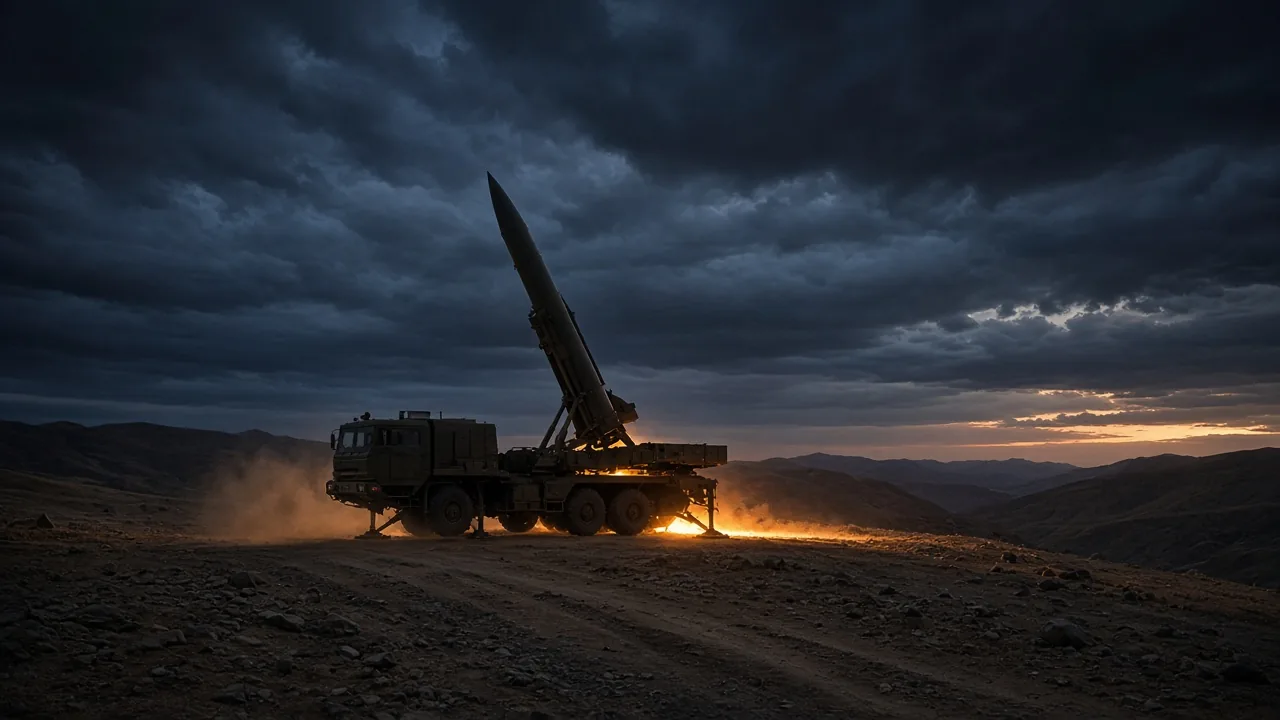
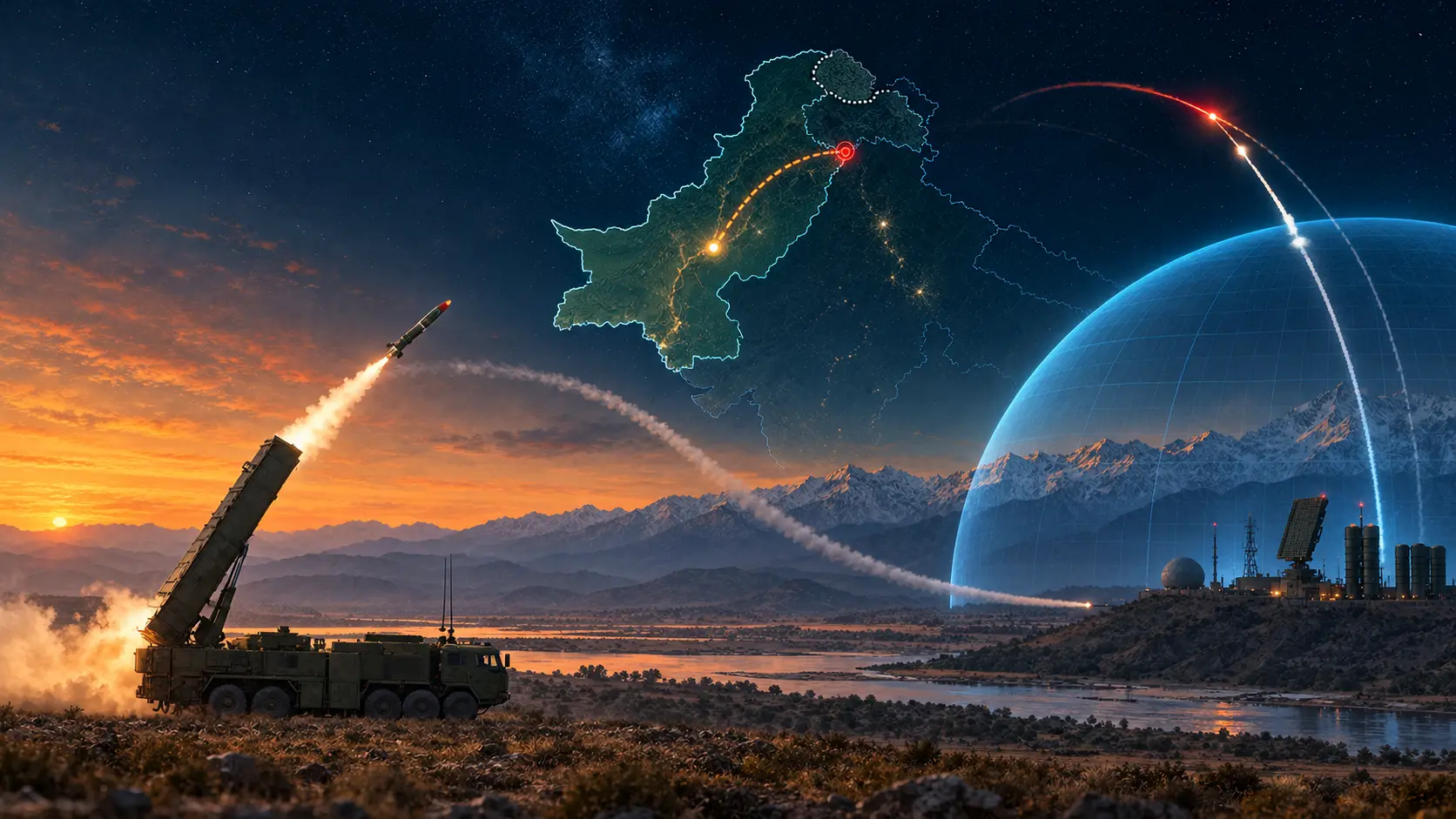
Why Pakistan's Fatah-4 favours terrain-hugging precision over hypersonic speed, and where hypersonic systems truly fit in Pakistan's strategic and naval doctrine.

Why Pakistan's Fatah-4 favours terrain-hugging precision over hypersonic speed, and where hypersonic systems truly fit in Pakistan's strategic and naval doctrine.

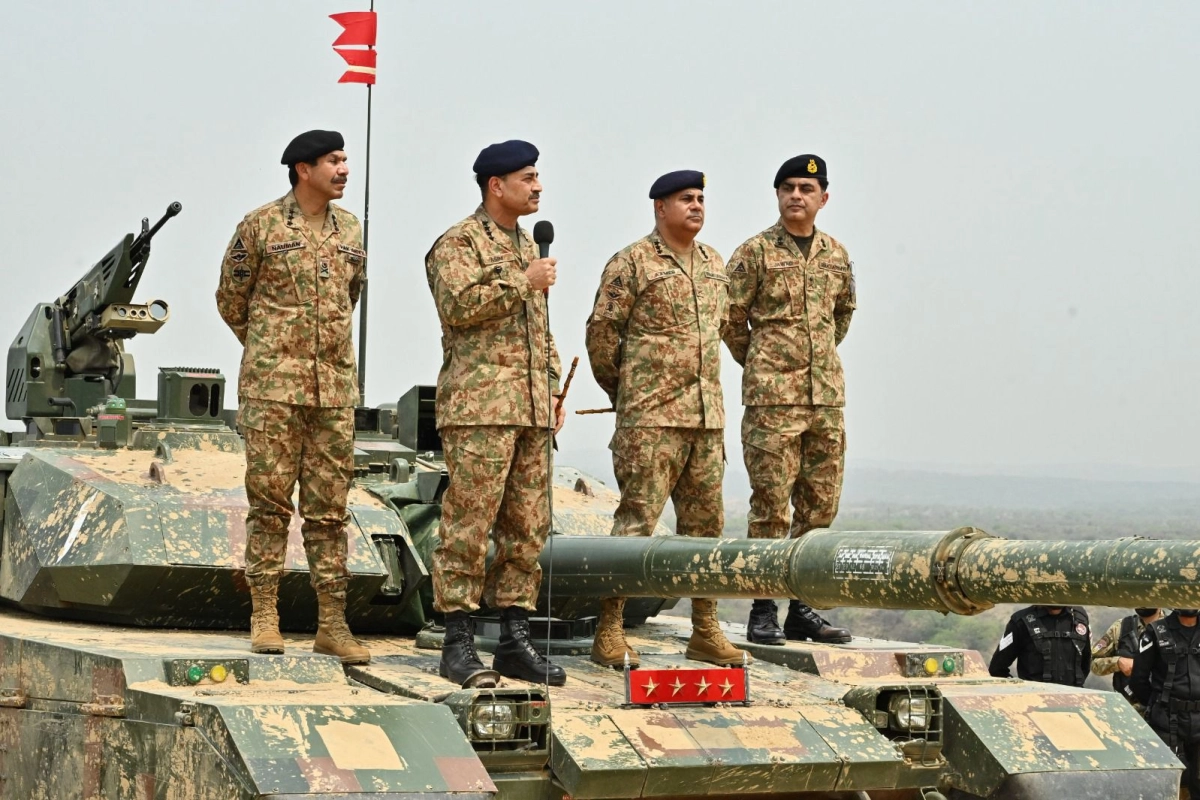
Lt. Gen. Nauman Zakaria's address at the IISS Shangri-La Dialogue 2026 is best understood not as a statement but as a doctrine brief. Hammer Strike is the mature culmination of a decade of Pakistani conventional thinking, built squarely on the structural opening that Galwan created.

As thresholds dissolve and deterrence becomes theatre-specific, nuclear restraint risks becoming obsolete

A response to the June 2025 Foreign Affairs claim that Pakistan is building an ICBM to reach the continental United States: the open-source infrastructure points more plausibly to hypersonic counterforce systems that collide with U.S. forward-deployed naval assets.

May 28, 2025 Over the weekend, I was engaged in a serious discussion to filter out the rhetorical noise and doubts from what PAF achieved in …

To suspend, divert, or meaningfully alter these flows would require engineering and capital on a generational scale - India would need 5 to 10 large multipurpose dams

An analysis of the PAF's professional, multi-domain response to Indian strikes. We break down the integrated use of electronic warfare, cyber ops, and precision kinetics to achieve surgical, demonstrable effects while maintaining escalation control.

Analysis of the brokered US ceasefire and Pakistan's continued strategic posture through Strike Corps exercises, nuclear doctrine, and hybrid capabilities amid volatile India-Pakistan tensions.

An analysis of India's persistent drone swarm campaign as a deliberate Phase Zero operation to map Pakistan's electronic order of battle, impose resource attrition, and shape the battlespace pre-emptively.

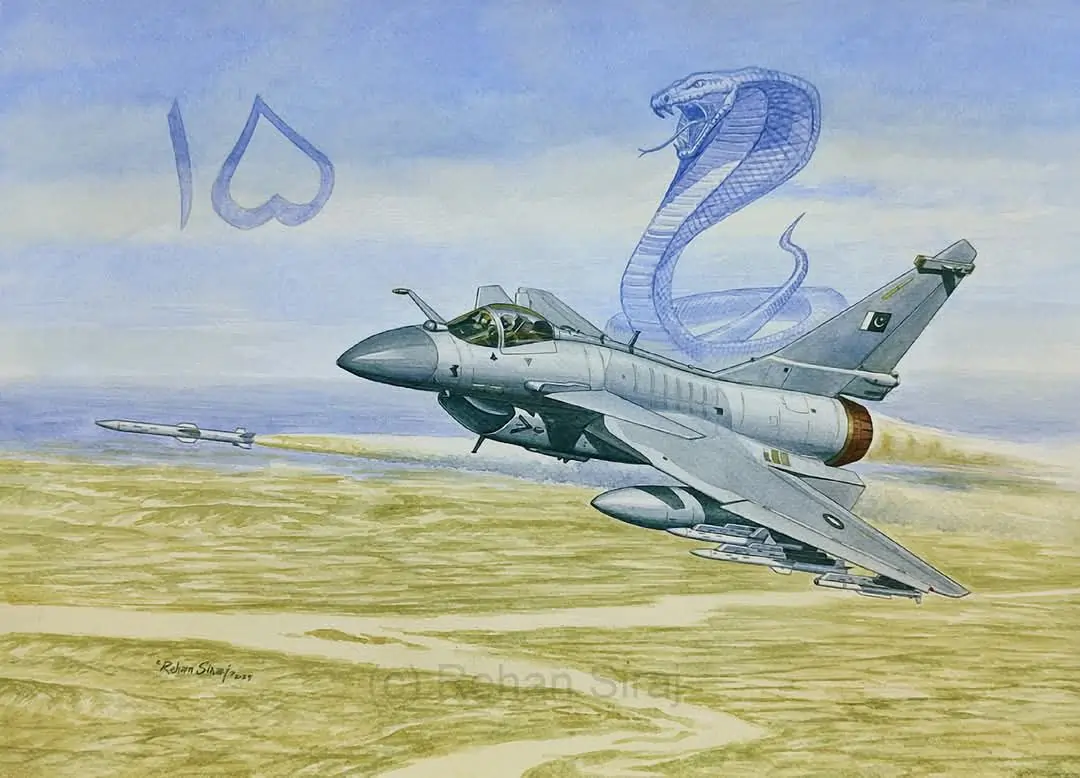
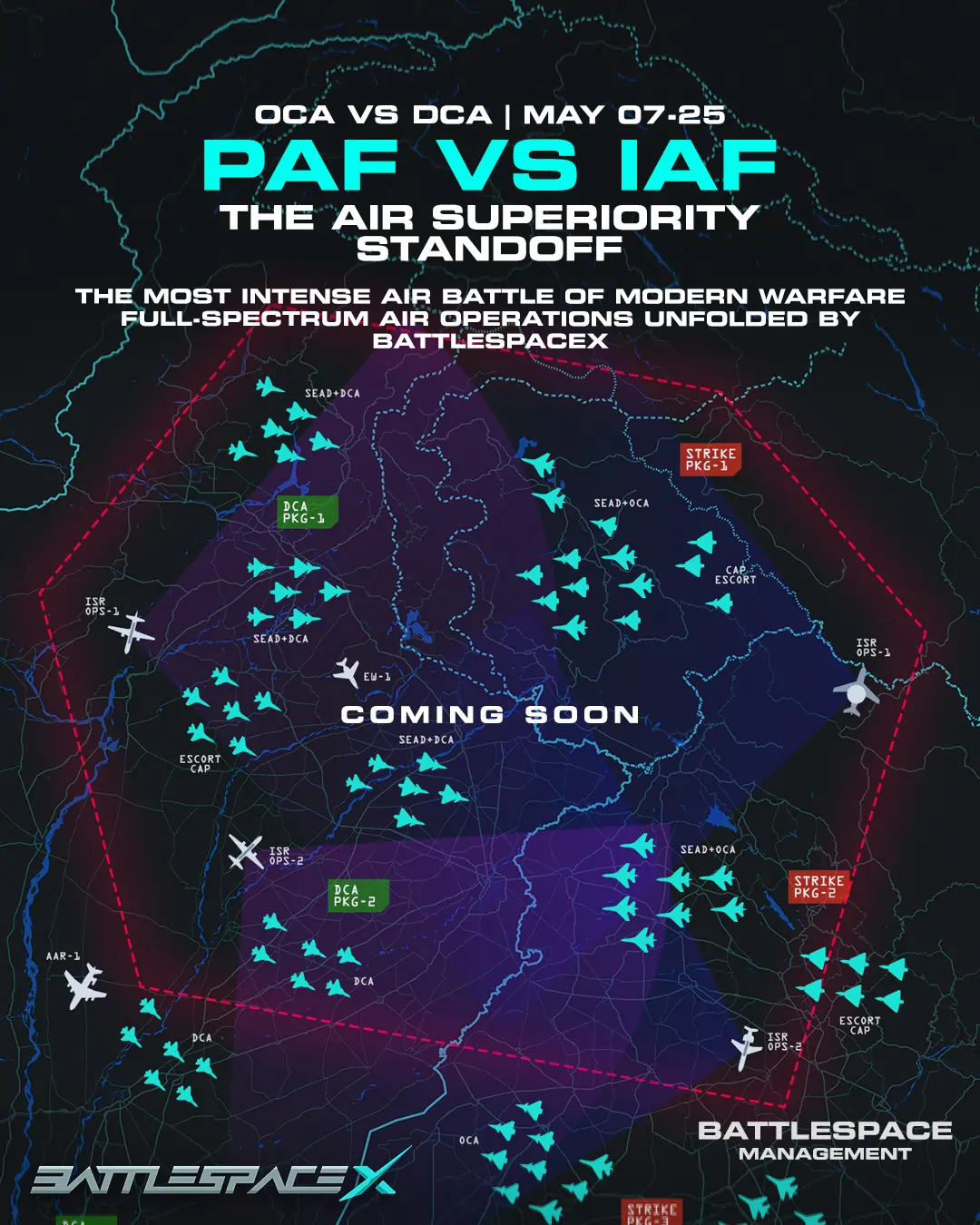
Pakistan’s decision not to intercept Indian projectiles during the recent escalation wasn’t a lapse of capacity or doctrine—it was the result of hard physics, probability, and evolved airpower logic. This article explains how Pakistan Air Force applied simulation-backed doctrine, probability of interception, and force concentration principles to achieve dominance through control rather than chaos.

Following confirmed Indian strikes, Pakistan's retaliation phase begins. This post outlines its mature doctrinal response, covering symmetric targeting, new weapons like the Ra'ad II and AI-powered Kemankeş 2, and the critical role of escalation management.

Written a week before the 2025 India–Pakistan aerial confrontation, this analysis breaks down Pakistan's multi-layered air defence network, from its long-range HQ-9/P systems to advanced AESA radars.

Written a week before the 2025 India–Pakistan aerial confrontation, this analysis predicted with striking accuracy the implications, Pakistan's response, and the tools of delivery.

Written a week before the 2025 India–Pakistan aerial confrontation, this analysis predicted with striking accuracy the doctrinal and electromagnetic dimensions of modern air warfare.