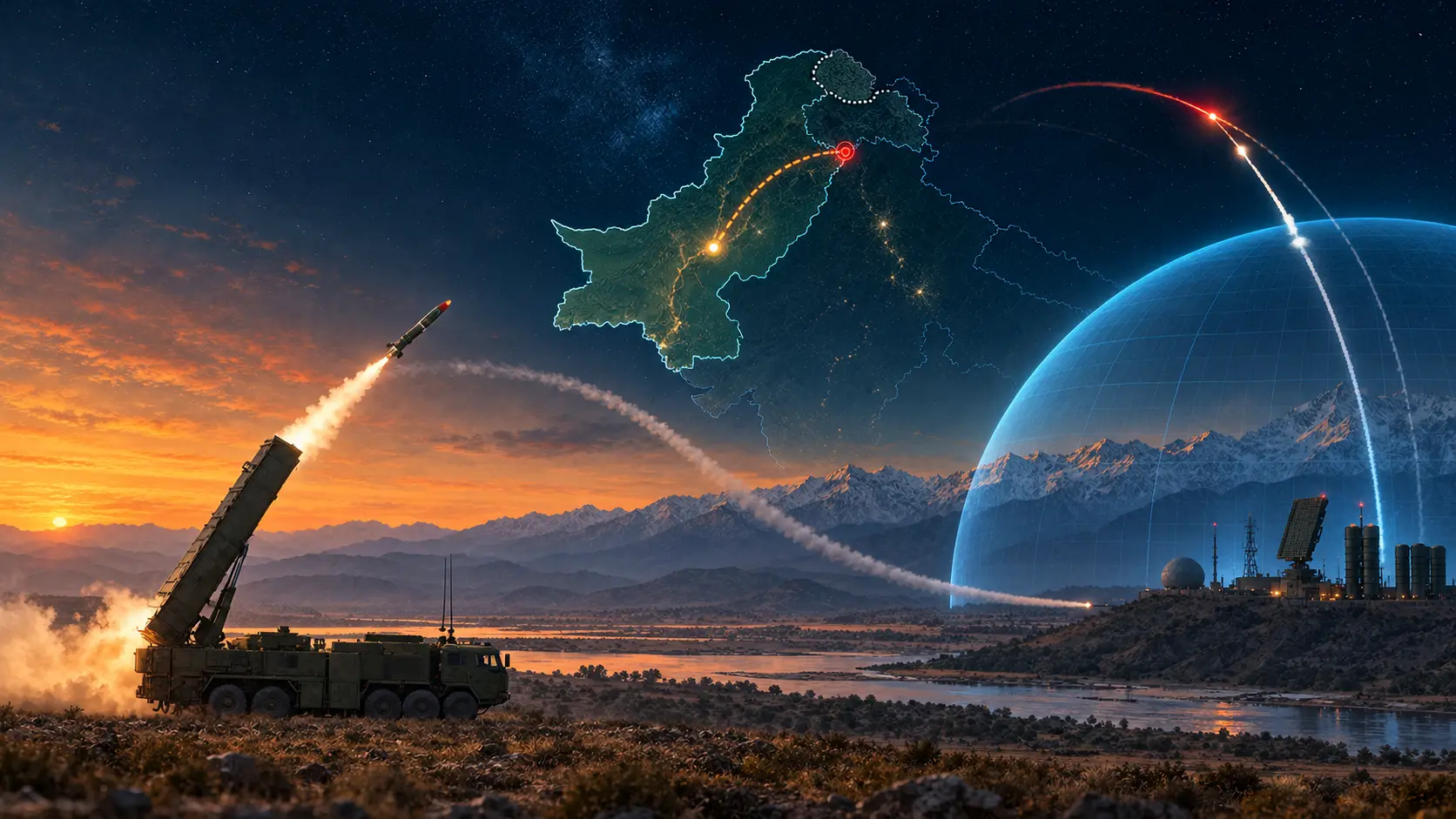
Why Pakistan Is Not Chasing Hypersonic Systems – For Now!
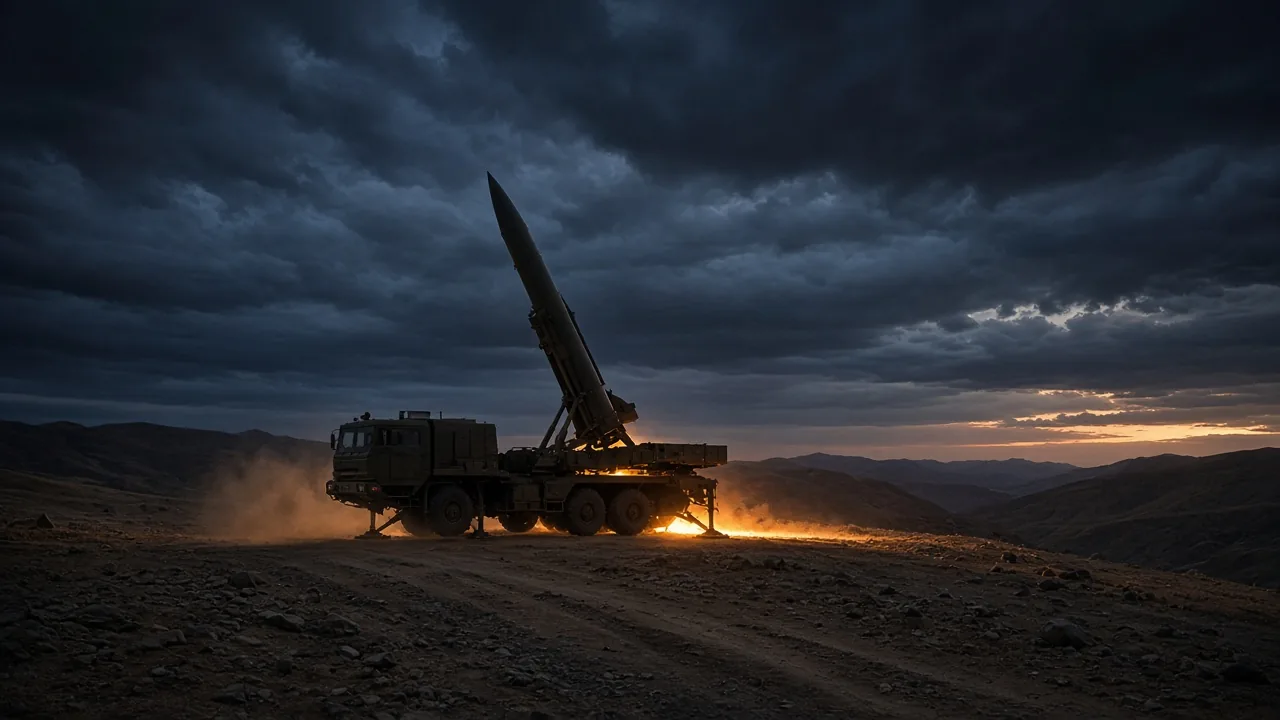
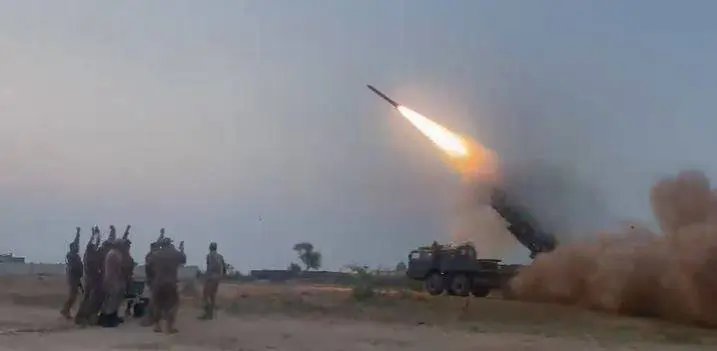
Why Pakistan's Fatah-4 favours terrain-hugging precision over hypersonic speed, and where hypersonic systems truly fit in Pakistan's strategic and naval doctrine.

Why Pakistan's Fatah-4 favours terrain-hugging precision over hypersonic speed, and where hypersonic systems truly fit in Pakistan's strategic and naval doctrine.

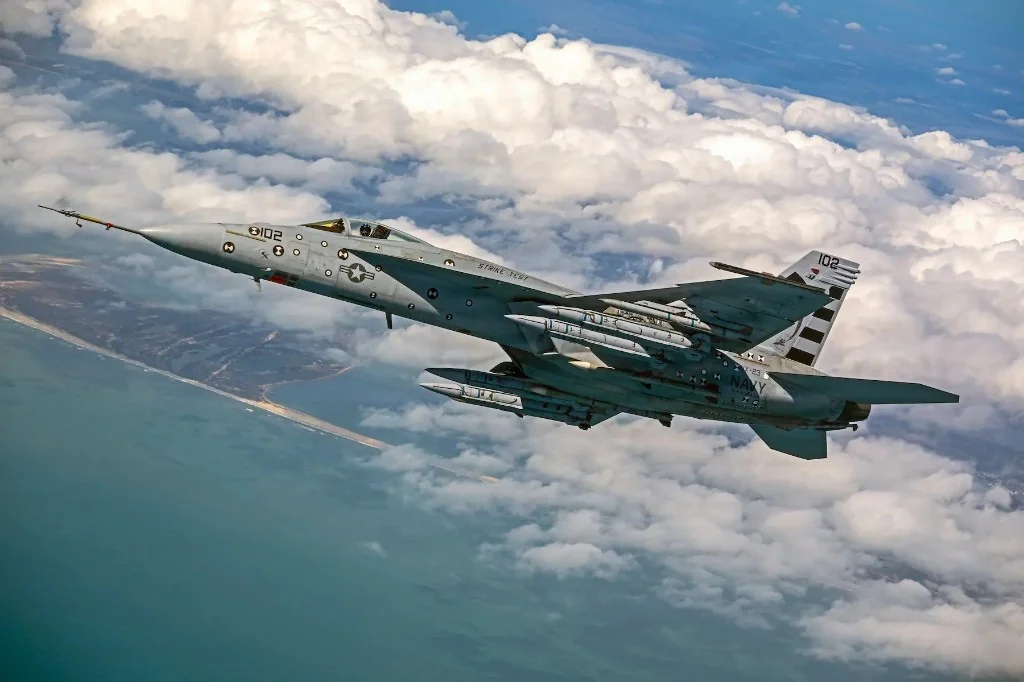
The physics of VLRAAM reach is close to exhausted. What Raytheon has done with AIM-424/Malice is collapse PL-17's shooter-and-spotter split into one low-observable bay — and that only matters if the mesh that updates the weapon can survive.

Pakistan does not lack engineers; it holds roughly as many as Israel's or Türkiye's primes and converts them into a fraction of the output. The gap is not capacity but mandate: an industrial base optimised for autarky under blockade, discharged of its 1974 tasks and never re-tasked for a market.

The Iran campaign has become an attrition race between Iranian residual power, coalition pressure, and the lagged Hormuz shock — fought under two rival theories of victory: a war for a result, or a war for a permanent ceiling.

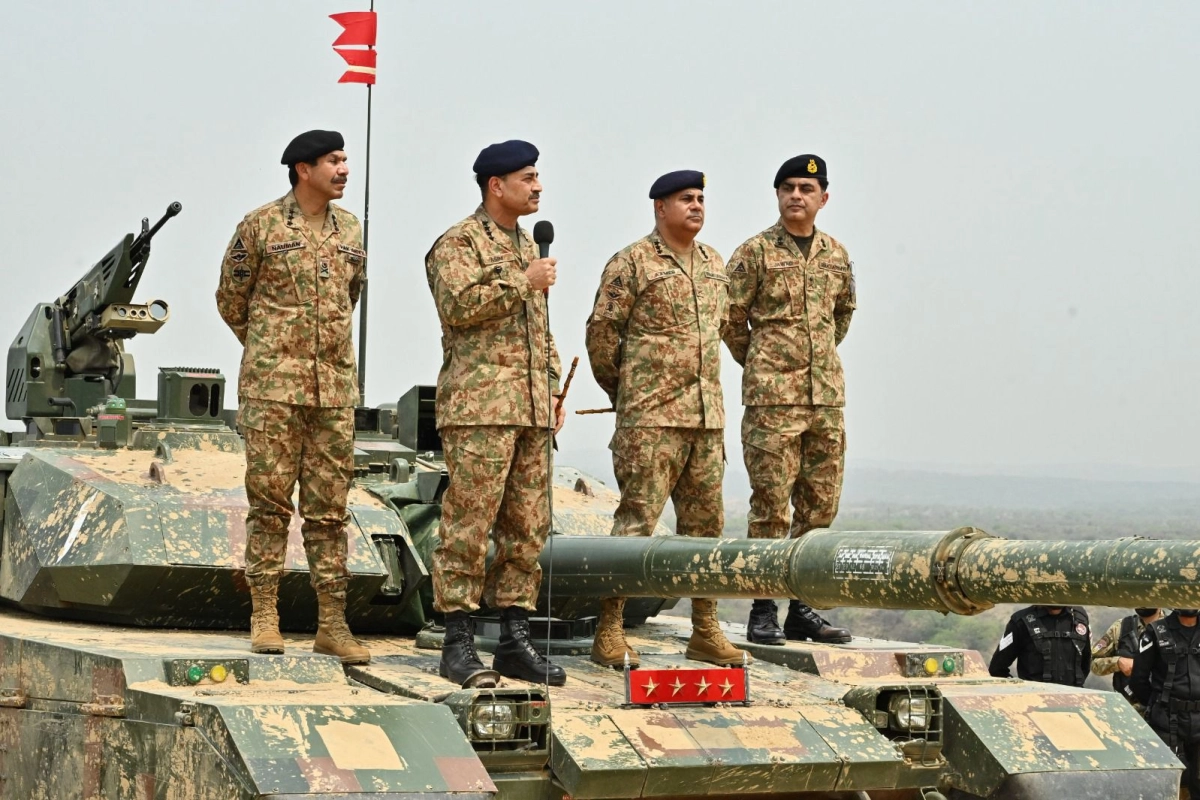
Lt. Gen. Nauman Zakaria's address at the IISS Shangri-La Dialogue 2026 is best understood not as a statement but as a doctrine brief. Hammer Strike is the mature culmination of a decade of Pakistani conventional thinking, built squarely on the structural opening that Galwan created.

Four attacks. Same corridor. Same silence after. The Balochistan problem is not intelligence – it is the Army's refusal to delegate the file to the people capable of closing it.

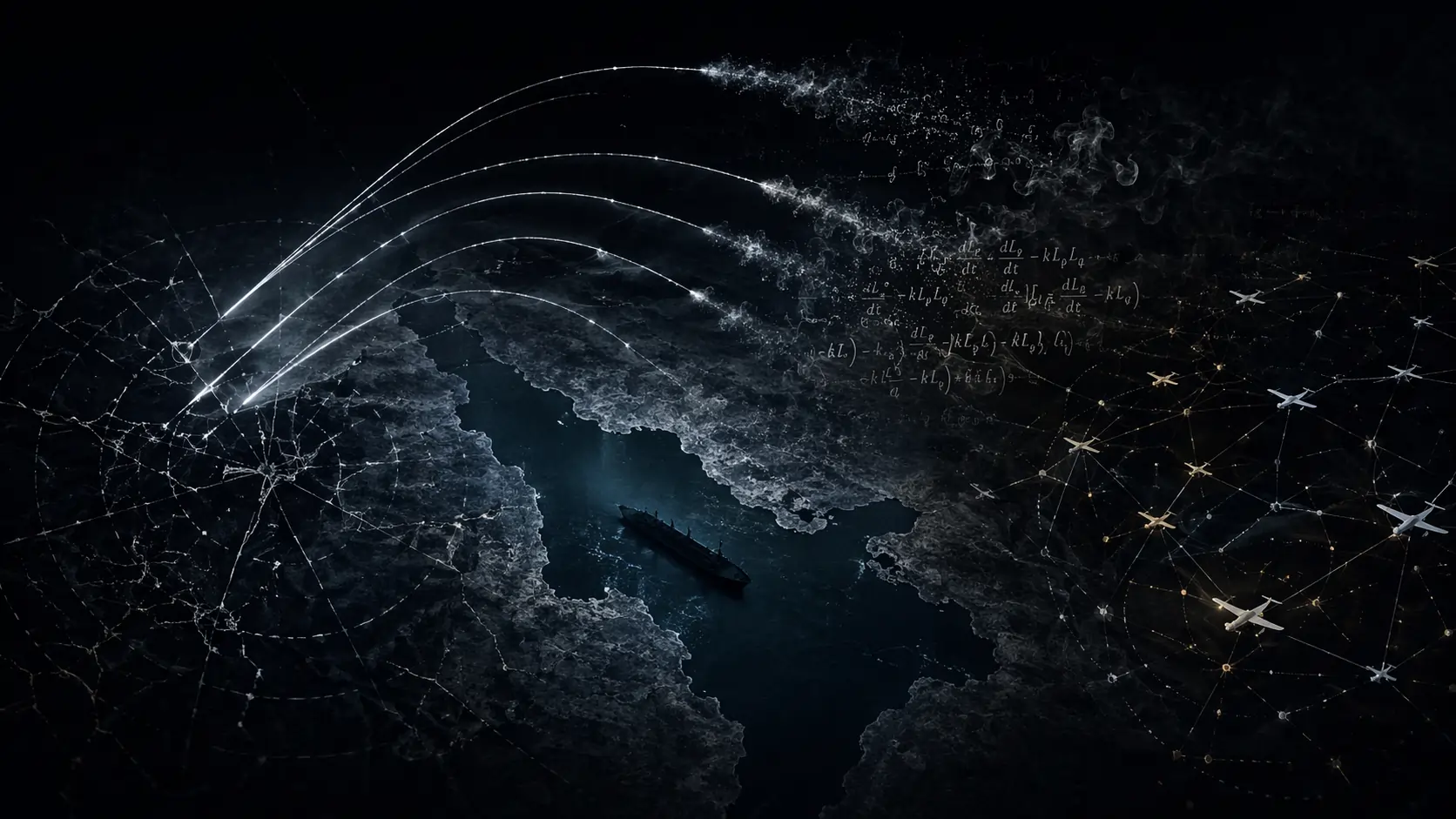
A Lanchester-framed post-mortem on the 2026 Iran war: why the JINSA-FDD analytical ecosystem got the attrition calculus wrong, how the IRGC's missile-drone doctrine performed against its own design objectives, and what the Hormuz closure was actually aimed at.

Khawaja Asif’s bluntness, Saudi signalling, and Pakistan’s embracing of rocket-force doctrine point to a new deterrence template — not nuclear grandstanding but scalable sub-strategic packages!

As thresholds dissolve and deterrence becomes theatre-specific, nuclear restraint risks becoming obsolete

A response to the June 2025 Foreign Affairs claim that Pakistan is building an ICBM to reach the continental United States: the open-source infrastructure points more plausibly to hypersonic counterforce systems that collide with U.S. forward-deployed naval assets.

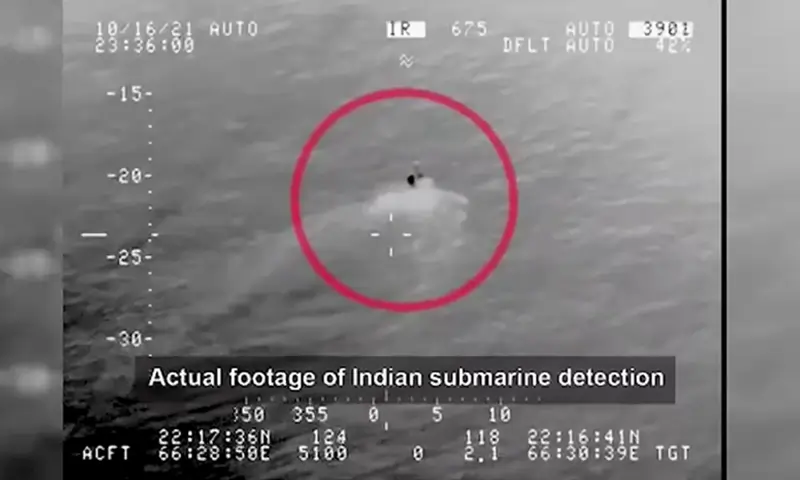
Examining Pakistan's naval asymmetric advantages over India, from midget submarine pack-hunting to carrier-killer missiles and proven submarine tracking capabilities that compromise Indian naval power.

May 28, 2025 Over the weekend, I was engaged in a serious discussion to filter out the rhetorical noise and doubts from what PAF achieved in …

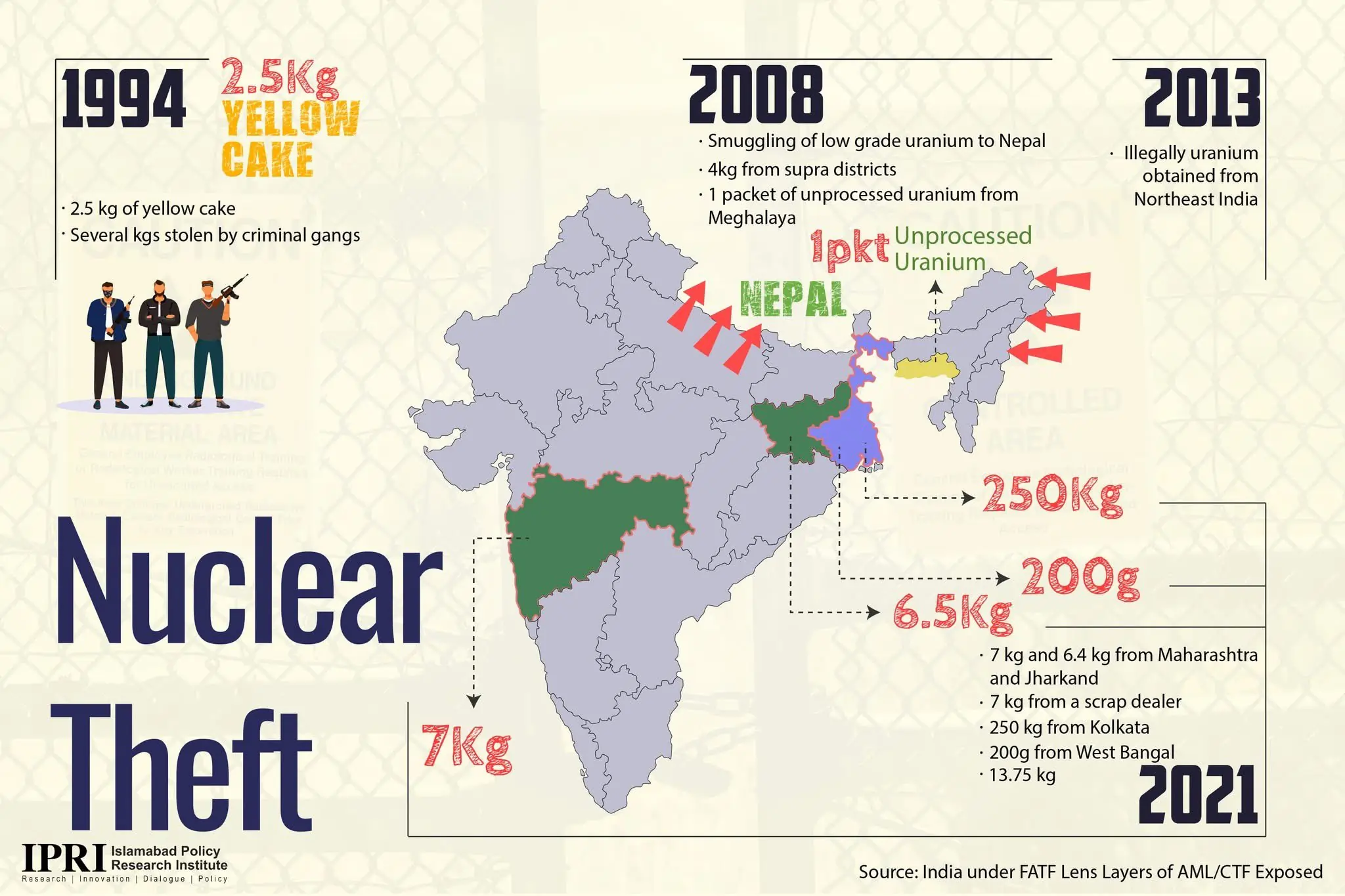
An examination of India's troubling record of nuclear accidents, safety lapses, and reckless rhetoric, contrasting with Pakistan's stable command systems and arguing for greater international oversight.

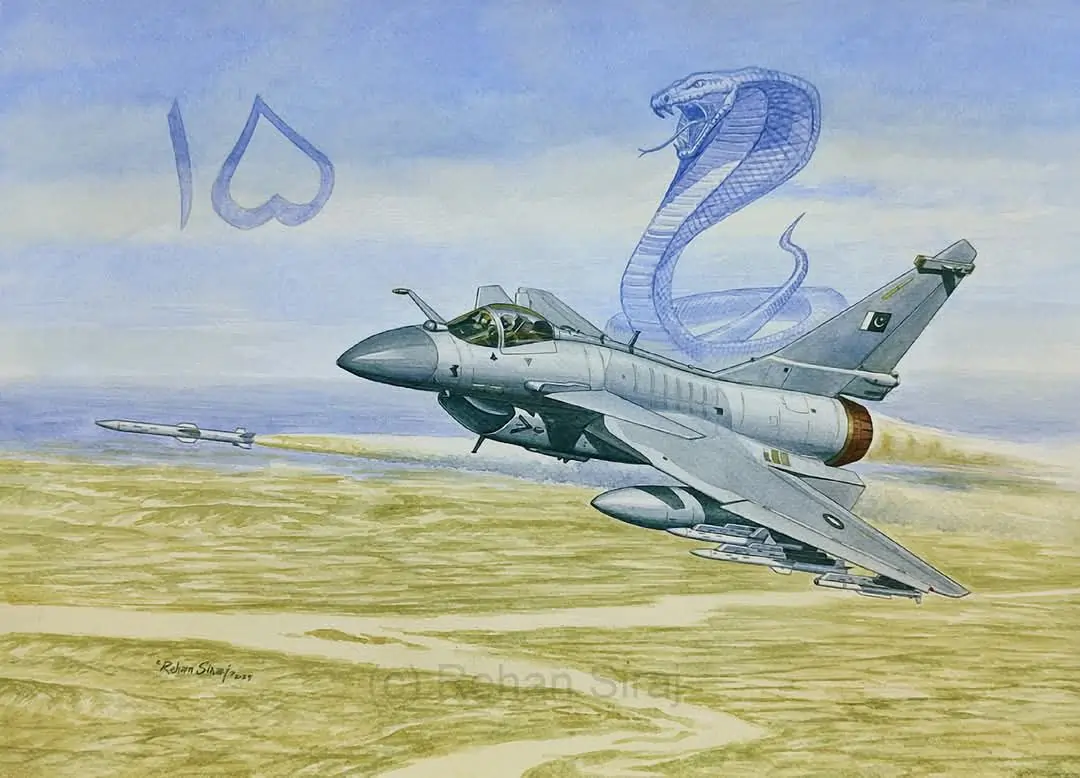
An analysis of the PAF's professional, multi-domain response to Indian strikes. We break down the integrated use of electronic warfare, cyber ops, and precision kinetics to achieve surgical, demonstrable effects while maintaining escalation control.

Analysis of the brokered US ceasefire and Pakistan's continued strategic posture through Strike Corps exercises, nuclear doctrine, and hybrid capabilities amid volatile India-Pakistan tensions.

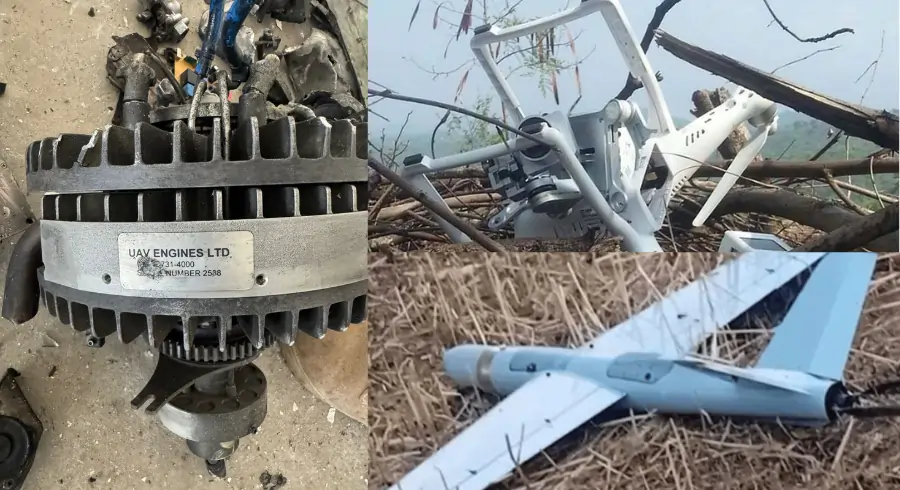
An analysis of India's persistent drone swarm campaign as a deliberate Phase Zero operation to map Pakistan's electronic order of battle, impose resource attrition, and shape the battlespace pre-emptively.

Pakistan’s decision not to intercept Indian projectiles during the recent escalation wasn’t a lapse of capacity or doctrine—it was the result of hard physics, probability, and evolved airpower logic. This article explains how Pakistan Air Force applied simulation-backed doctrine, probability of interception, and force concentration principles to achieve dominance through control rather than chaos.

Following confirmed Indian strikes, Pakistan's retaliation phase begins. This post outlines its mature doctrinal response, covering symmetric targeting, new weapons like the Ra'ad II and AI-powered Kemankeş 2, and the critical role of escalation management.

Written a week before the 2025 India–Pakistan aerial confrontation, this analysis breaks down Pakistan's multi-layered air defence network, from its long-range HQ-9/P systems to advanced AESA radars.

Written a week before the 2025 India–Pakistan aerial confrontation, this analysis predicted with striking accuracy the implications, Pakistan's response, and the tools of delivery.

Written a week before the 2025 India–Pakistan aerial confrontation, this analysis predicted with striking accuracy the doctrinal and electromagnetic dimensions of modern air warfare.